
Regreening Africa is a United Nations World Restoration flagship that has been recognised as one of the best examples of large-scale and long-term ecosystem restoration in any country or region, embodying the 10 Restoration Principles of the UN Decade on Ecosystem Restoration.
Regreening Africa is a continent-wide initiative focused on halting degradation, restoring degraded landscapes, improving food and nutrition security, and strengthening community resilience to climate change in Africa

Phase I: 2017-2023
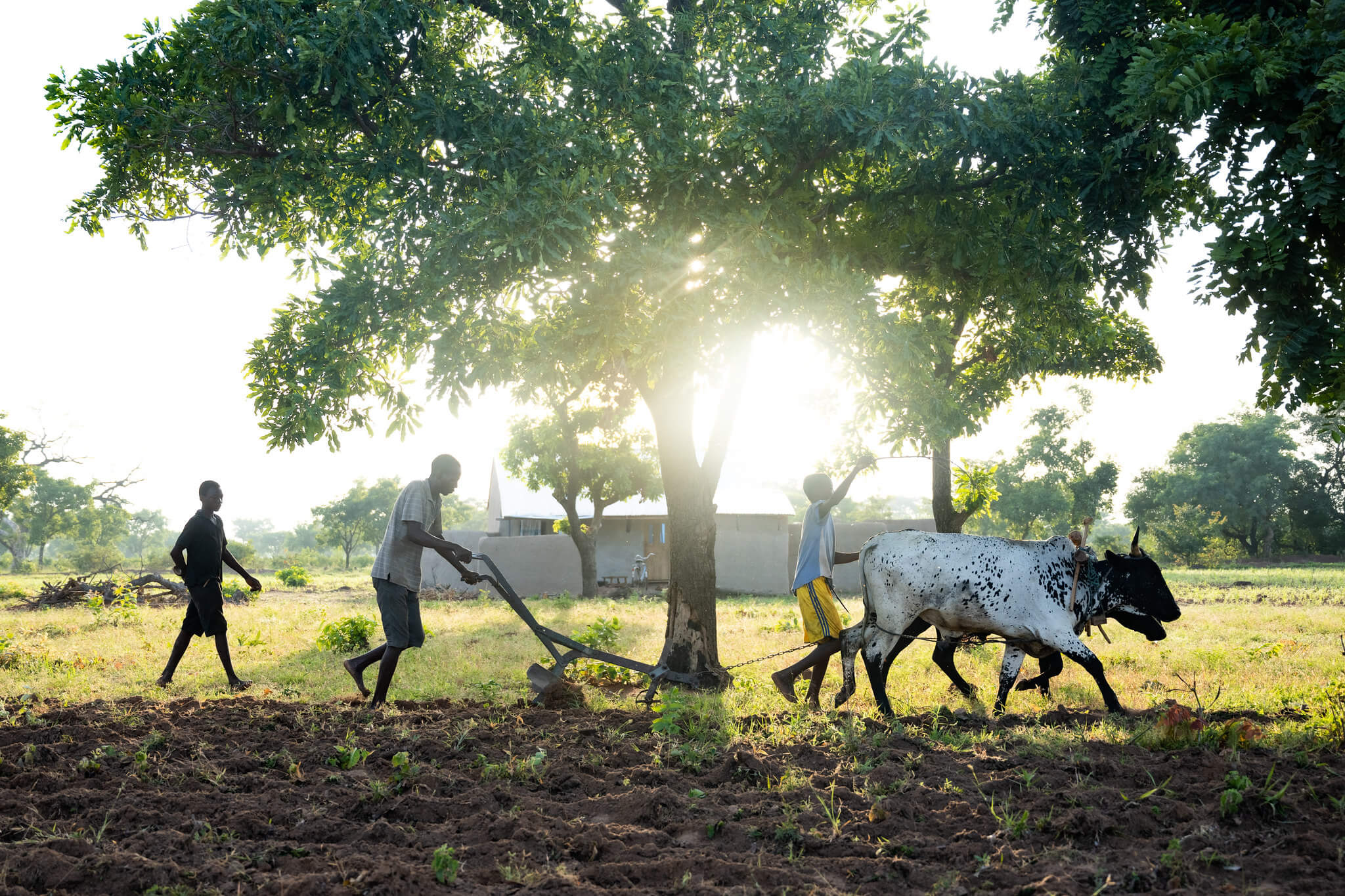
The first phase of Regreening Africa (2017-2023) promoted sustainable land management practices that supported over 600,000 households, covering nearly one million hectares of land across eight African countries – Ethiopia, Ghana, Kenya, Mali, Niger, Rwanda, Senegal and Somali.
Phase II: 2024-2029
This initiative builds on the achievements of the first phase of the Regreening Africa programme and is being implemented over a 5-year period (2024 – April 2029).

What is regreening?
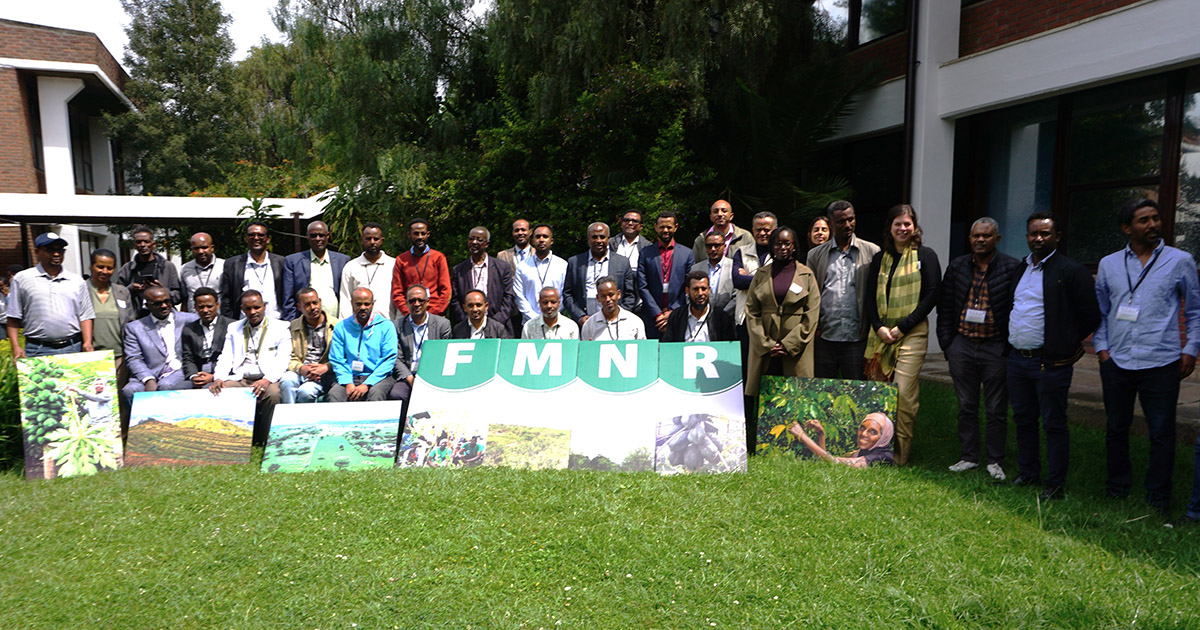
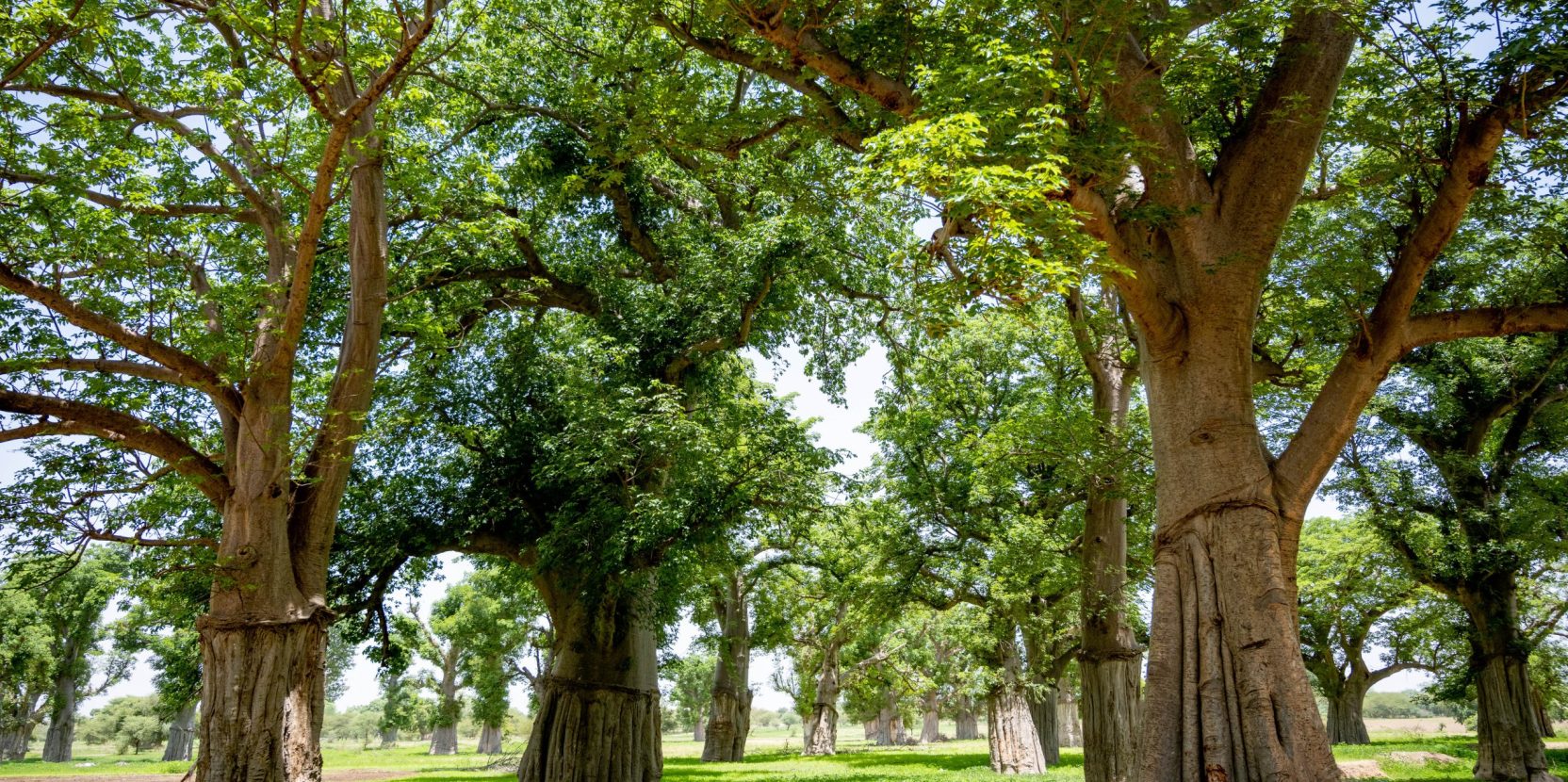
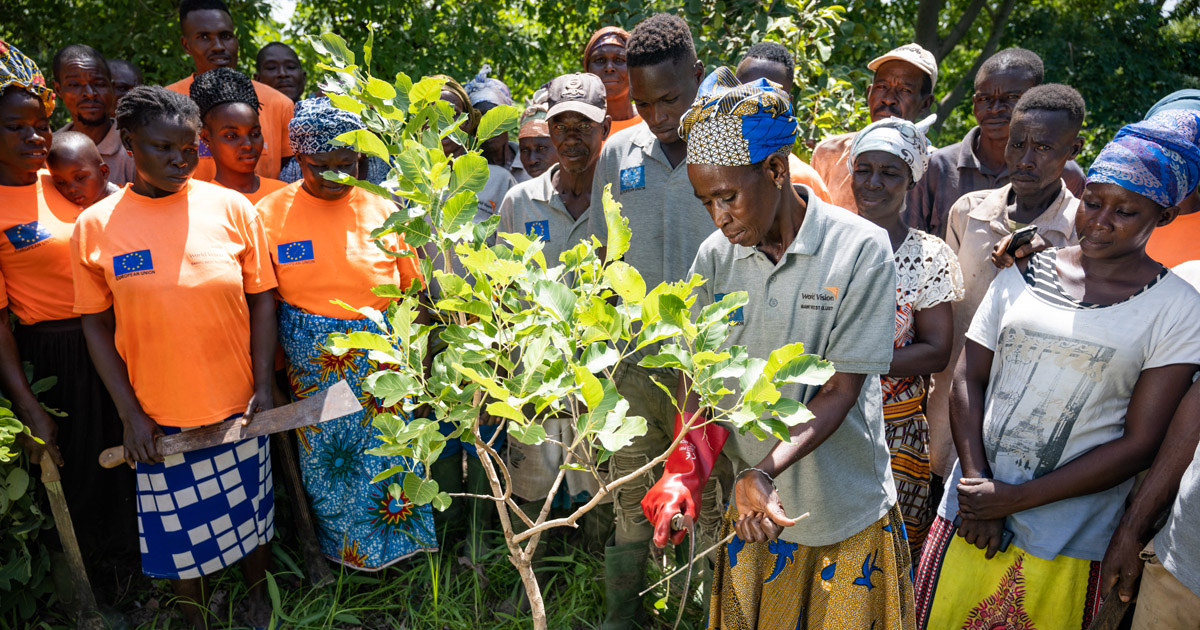
Regreening refers to the process of restoring degraded landscapes through sustainable practices that improve its health, productivity, and resilience. These practices include agroforestry, soil health improvement, Farmer-Managed Natural Regeneration (FMNR), soil and water conservation, grazing and pastoral management, and access to improved seed and seedling sources, among others. When applied—especially in combination—these practices lead to visible landscape restoration and meaningful improvements in the well-being of communities that depend on the land. They also strengthen community resilience to climate change, as healthier land supports more diverse and productive livelihoods. This is important, as resilience is essential for effective climate change adaptation.
Where we work
The second phase of Regreening Africa Programme is being implemented across Ghana, Somalia, Ethiopia, Nigeria, Mali, Senegal, and Niger.
Our Approach
01
Systems Scaling and Incentives
Regreening Africa applies a systems scaling approach to address the underlying drivers of land degradation while actively promoting landscape restoration.

02
Options by Context
Regreening Africa promotes landscape restoration through proven and effective approaches that are not only adaptable to local contexts but that can also be accurately monitored, verified, and evaluated and scaled to other contexts. It embraces the Options by Context approach, which involves tailoring restoration practices to the specific social, agroecological, and livelihood conditions of each location.

03
Evidence-Based Decision Making
Regreening Africa is a Research in Development programme that relies on evidence to guide decision-making that ensures large-scale restoration efforts are effective, inclusive, and equitable. The programme systematically collects, analyses, and synthesises data at multiple levels. In addition, it uses evidence on restoration processes and impacts—as well as on the drivers and incentives influencing the adoption of sustainable land management and restoration practices— to inform its strategies and actions.

04
Local Value Chains
Regreening Africa promotes green value chains—including those based on trees and livestock—as a key driver of resilience and income. It also supports rural entrepreneurship by facilitating the registration of microbusinesses, delivering start-up and business training, and encouraging local innovation. These efforts help communities to derive tangible economic benefits from restoration.

05
Inclusion and Sustainability
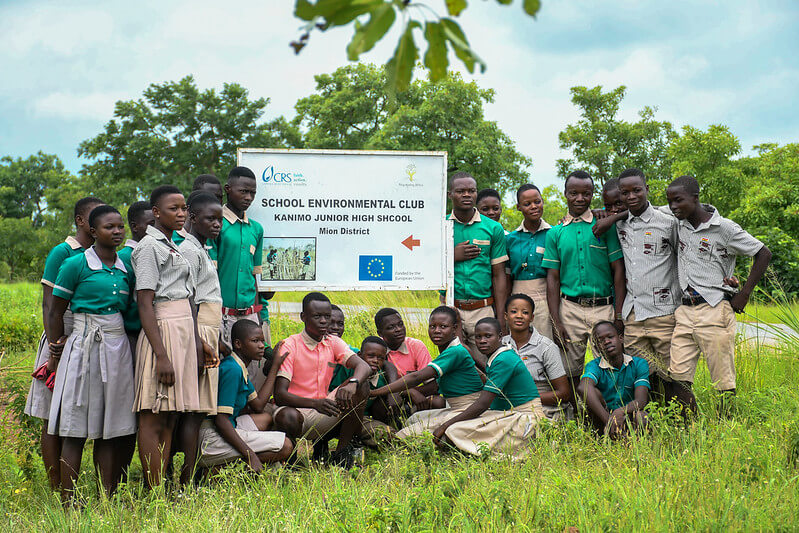
The programme integrates gender-transformative and youth-inclusive approaches across all its activities. It works closely with community-based groups and incorporates future climate scenarios into its planning. This approach ensures that social equity is upheld, and the long-term sustainability of restoration efforts is achieved.

06
Effective Stakeholder Engagement
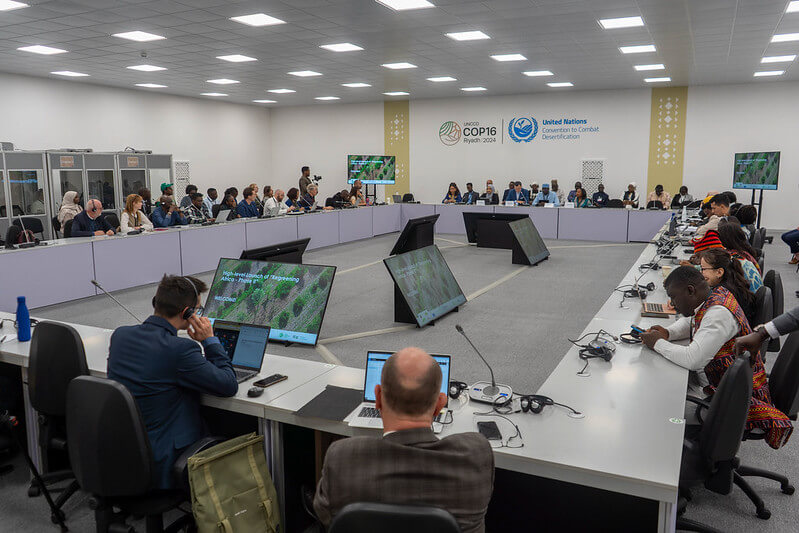
A dedicated stakeholder engagement methodology facilitates continuous learning and adaptation. This includes structured dialogues, policy advocacy, Joint Reflection and Learning Missions (JRLMs), and inclusive workshops that drive ongoing improvement in both implementation and impact.


Expected Benefits
Regreening Africa seeks to restore degraded landscapes, improve food security, and strengthening community resilience to climate change in Africa.
Regreening Africa Team
Steering Committee

Niclas Gottmann
Policy Officer for Land & Environment, European Commission, DG INTPA

Olaf Westermann
Senior Technical Advisor on Climate Change, Agriculture & Livelihoods, CRS

Sidaty Sow
Regreening Africa Project Manager, AVSF Senegal

Pierre Dembele
Executive Secretary, Sahel Eco

Claire Burger Skinner
Climate Justice Center, CARE Netherlands

Davis Wamawungo
East Africa and Middle East Contracts Team Manager, World Vision Australia

Mieke Bourne
Regreening Africa Programme Lead
CIFOR-ICRAF team
Mieke Bourne
Program Lead, Regreening Africa

Ndeye Fatou MAR
Programme Manager, Regreening Africa

Tor-Gunnar Vagen
Geoinformatics Senior Scientist/ Head of Spatial Data Science & Applied Learning (SPACIAL) Lab, CIFOR-ICRAF.
Land Degradation Dynamics Lead, Regreening Africa

Karl Hughes
Head Impact Assessment and Acceleration, CIFOR-ICRAF
Monitoring, Evaluation & Learning (MELIA) Lead, Regreening Africa

Ilse Hennemman
Stakeholder Engagement & Learning specialist, CIFOR-ICRAF
Stakeholder Approach to Risk-informed and Evidence-based Decision-making (SHARED) Lead, Regreening Africa

Mawa Karambiri
Policy and technical engagement specialist for the Sahel

Sammy Carsan
Agroforestry Scientist, CIFOR-ICRAF
Tree Seed Systems Lead, Regreening Africa

Djalal Arniloye
Agricultural Economist, CIFOR-ICRAF
Value Chains and Entrepreneurship Component Lead, Regreening Africa

Patrick Worms
Senior Science Policy Advisor, CIFOR-ICRAF
Value Chains & Enterpreneurship Technical Support, Regreening Africa

Grace Koech
Research Officer, CIFOR-ICRAF

Ibrahim Toure
Mali Country Representative, CIFOR-ICRAF

Niguse Hagazi
Ethiopia Country Representative, CIFOR-ICRAF

Tesfaye Woldeyehanes
Agricultural Economist-Impact & Acceleration Scientist, CIFOR-ICRAF

Hilda Kegode
Impact Assessment and Acceleration (IAA) Specialist, CIFOR-ICRAF

Laura Vanessa Mukhwana
Stakeholder Engagement with Evidence Associate, CIFOR-ICRAF
Stakeholder Approach to Risk-informed and Evidence-based Decision-making (SHARED)-Support, Regreening Africa
Partners

Mme Marie Louise Diouf
Senior Manager (Programs Awards ), World Vision Senegal
Sidaty Sow
Regreening Africa Project Manager, AVSF Senegal

Edward Anaba Akunyagra
Program Director – Agriculture, Livelihoods and Landscapes, CRS Senegal

Richard Appoh
Regreening Africa Project Manager, World Vision Ghana

Adisu Abebe
Regreening Africa Project Lead, World Vision Ethiopia

Malefia Tadele
Regreening Africa Project Manager, CRS Ethiopia

Mission Anuh
Regreening Africa Project Manager, CARE Nigeria

Peter Apagu
Regreening Africa Project Manager, CRS Nigeria

Ahmed Mohamed
Regreening Africa Project Manager, CARE Somalia

Hussien Ibrahim
Acting Manager – Food Security & Livelihoods, World Vision Somaliland

Abdirahman Bare Dubad
SomRep, World Vision International

Knowledge
products
Publications
REGREENING AFRICA FINAL REPORT
Regreening Africa has been a resounding success story. It was remarkable to witness over the last five years how this programme managed to holistically address land degradation, improve livelihoods, and foster resilience in the face of climate change across eight different countries in Africa. Regreening Africa has played a vital role in restoring stability to communities in regions where healthy lands are integral to their well-being.





Sign up for our news and updates
Subscribe to our news for the latest updates, stories, and opportunities.

