Blandine SANKARA – Yelemani
Agroecology Training for Academic inspectors
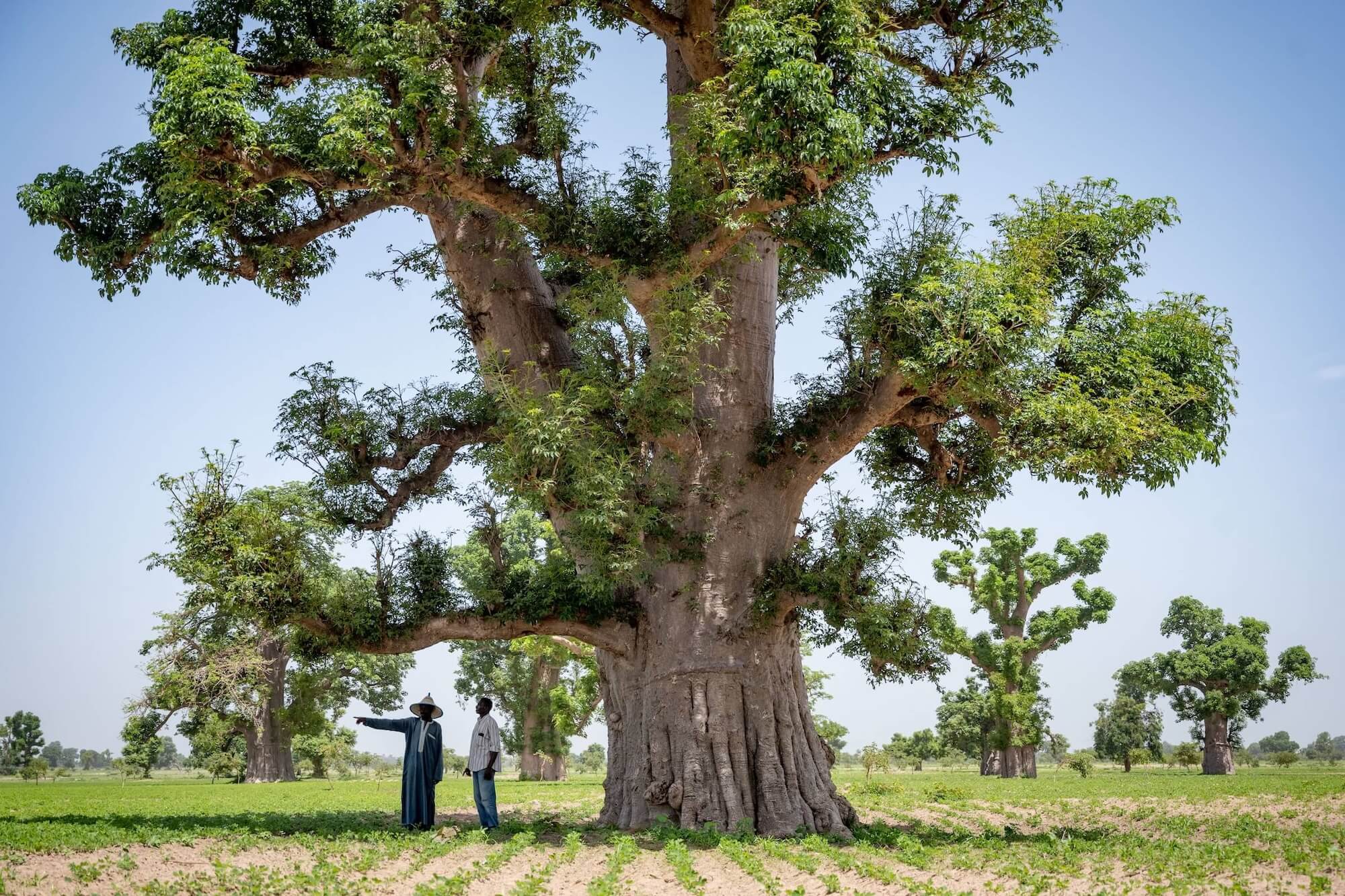
Yelemani was established in 2009 with the primary goal of promoting food sovereignty and agroecology in Burkina Faso, aligning its efforts with the objectives of the Great Green Wall Initiative. It is conducting educational programmes and raising awareness about the principles of and best practices in food sovereignty and agroecology.
Innovation
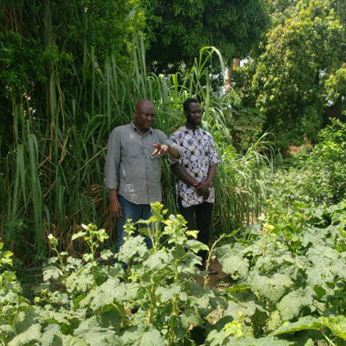
The initiative is centred in Loumbila, near Ouagadougou, where its training programmes are carried out in close collaboration with local residents. Initially starting with just two public schools, the initiative has successfully expanded to seven schools this year.
Blandine SANKARA – Yelemani
Agroecology Training for Academic inspectors
Location: Loumbila, Burkina Faso
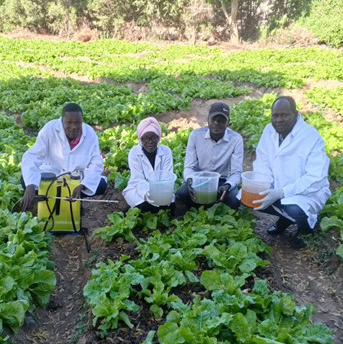
This expansion is facilitated through an innovative collaboration with the Ministry of Education’s school inspectorate, which involves training of school inspectors in agroecology, empowering them to provide essential support and training to school teachers. A first in Burkina Faso!
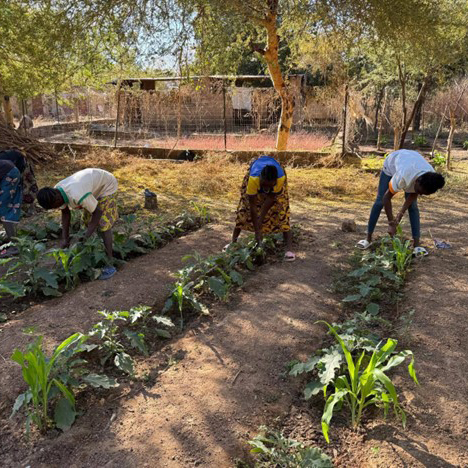
The primary objective is to deepen students’ understanding of agroecology by integrating theoretical knowledge with practical applications within the school environment to boost food security and address climate change.
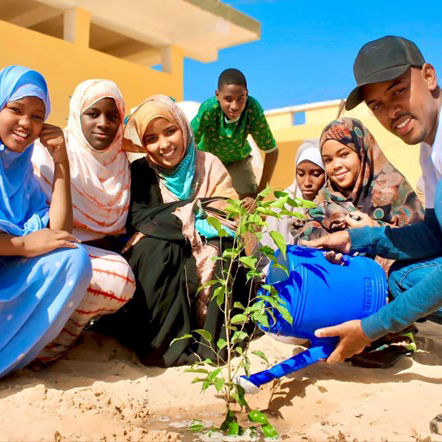
The initiative encompasses the establishment of horticultural projects and tree nurseries within school gardens, aiming to create a more conducive learning atmosphere, and promote environmental and agroecological sustainability.
Yelemani has received a grant of €10,000 (ten thousand euros) from the Center for International Forestry Research and World Agroforestry (CIFOR-ICRAF) through the Knowledge for Great Green Wall Action (K4GGWA) programme, funded by the European Union. The grant will be used to carry out the next phase of the project, to be implemented in Loumbila. This phase will focus on one or more of the following initiatives:
- Training additional Ministry of Education inspectors, who will then train teachers from five new schools in agroecological modules;
- Expanding irrigation capacity;
- Diversifying project activities to ensure equal benefits for girls and boys;
- Adding a module on farmer-managed natural regeneration (FMNR) to the training curriculum;
- Integrating a module on sustainable grazing practices into the training curriculum.